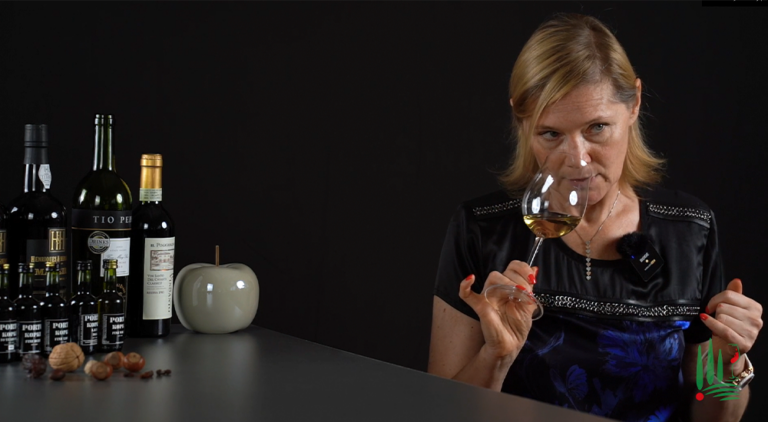
Port wine is a sweet, fortified wine made in the Douro Valley of northern Portugal and traditionally aged in the lodges of Vila Nova de Gaia and shipped from Porto city. Like all fortified wines, Port involves the addition of a grape spirit—called here aguardente—but what makes Port distinctive is the concentration of aguardente. It is added during fermentation at 77%, compared to 96-96% in other fortified wines. It means more spirit volume with greater impact on the wine. This process stops fermentation early, preserving natural grape sugars and creating a final wine with an alcohol content typically between 19% and 22%, even though some styles, such as some White Ports, can be as low as 17.5%. As a result, Port wine stands out for its sweetness, A/F intensity, while concentration, complexity increased with age.
Territory: Porto, Vila Nova de Gaia, and the Douro
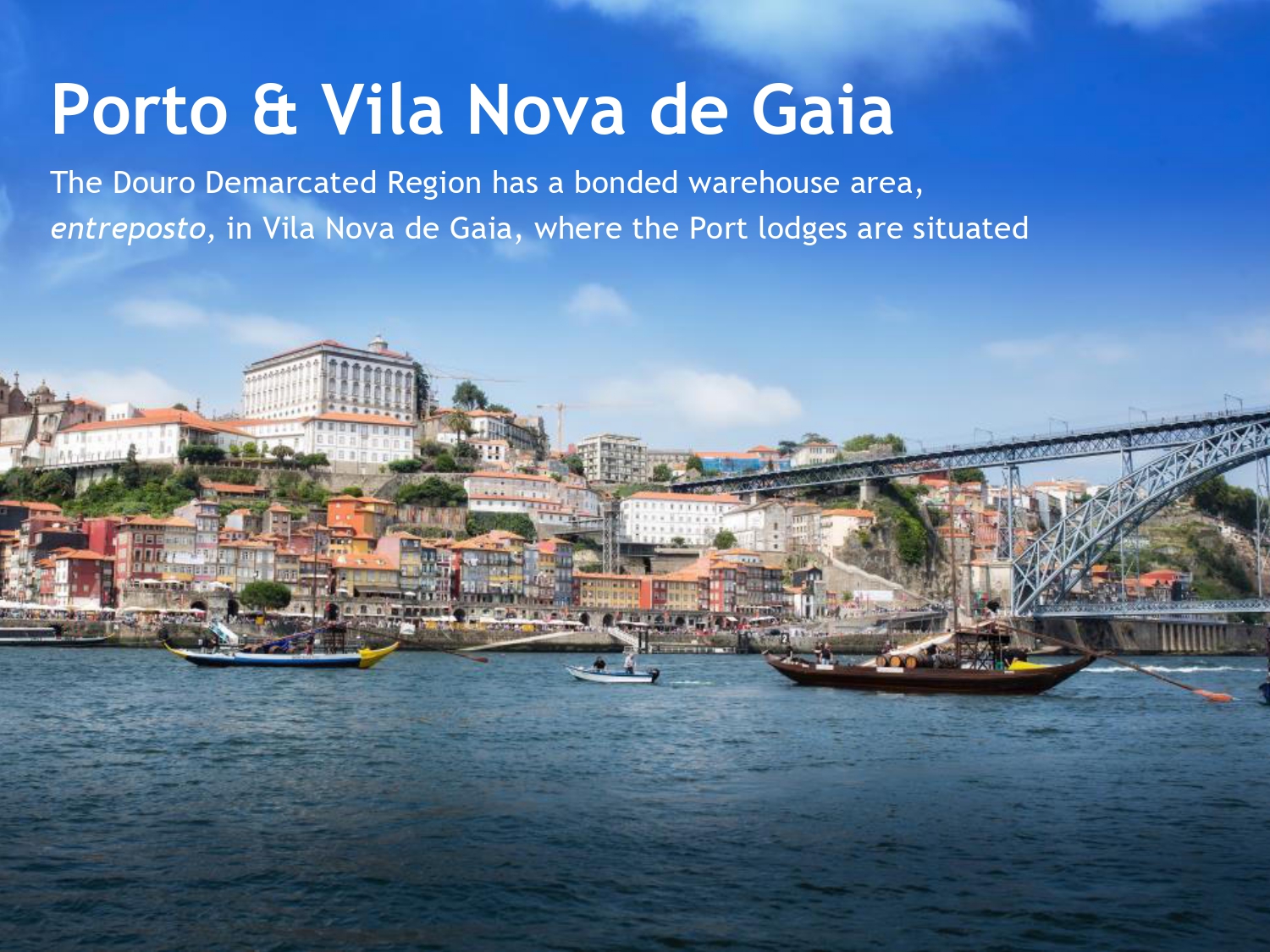
The story of Port wine is tied closely to its region. Porto, the city, serves as the commercial heart, and the city’s name gives Port wine its identity. Across the River Douro lies Vila Nova de Gaia, historically the centre for ageing and shipping Port due to its cool, stable Atlantic climate—ideal for maturing wine in casks. Further inland is the Douro, Portugal’s oldest demarcated and regulated wine region, recognised as a UNESCO World Heritage Site.
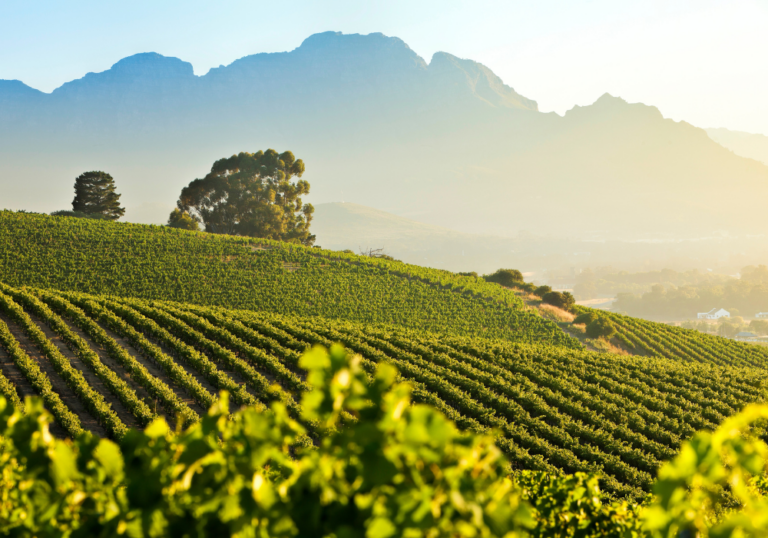
It is a dramatic landscape of terraced vineyards carved into steep, schistous hills, shaped by the Douro River and protected by mountains. The Douro Valley is shielded from the wet and cold westerly winds by the Marão and Montemuro mountains. These mountain ranges form a natural barrier, protecting the region from Atlantic influences and helping concentrate heat in the valley, which produces the hot, dry climate essential to Port wine production.
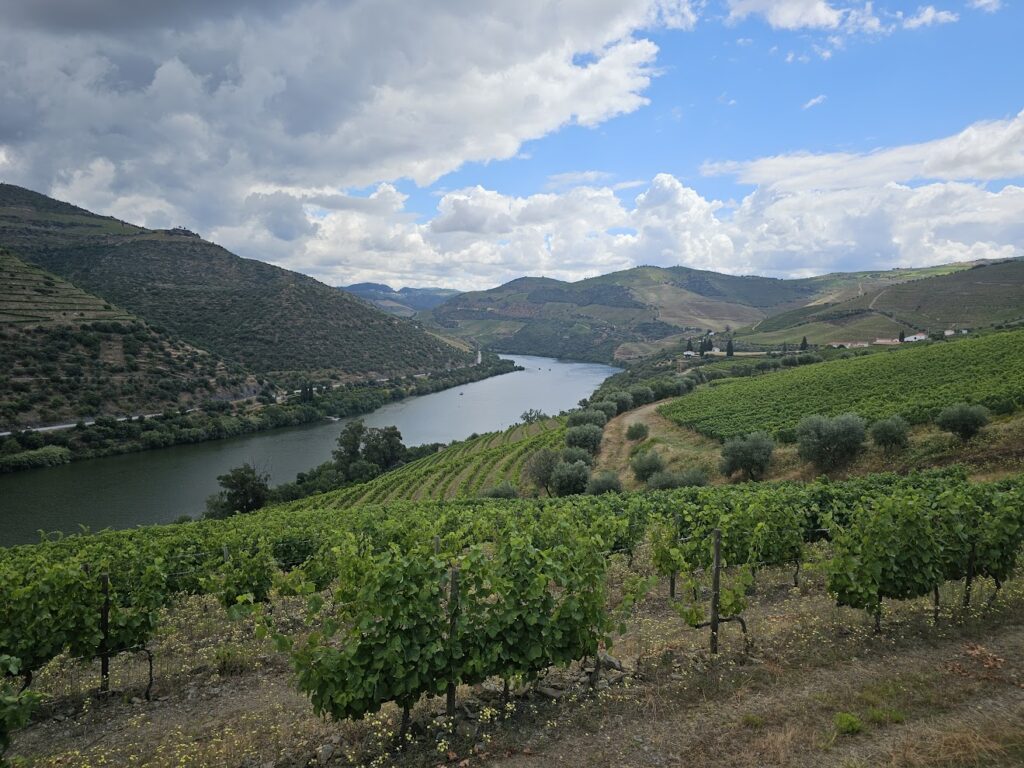
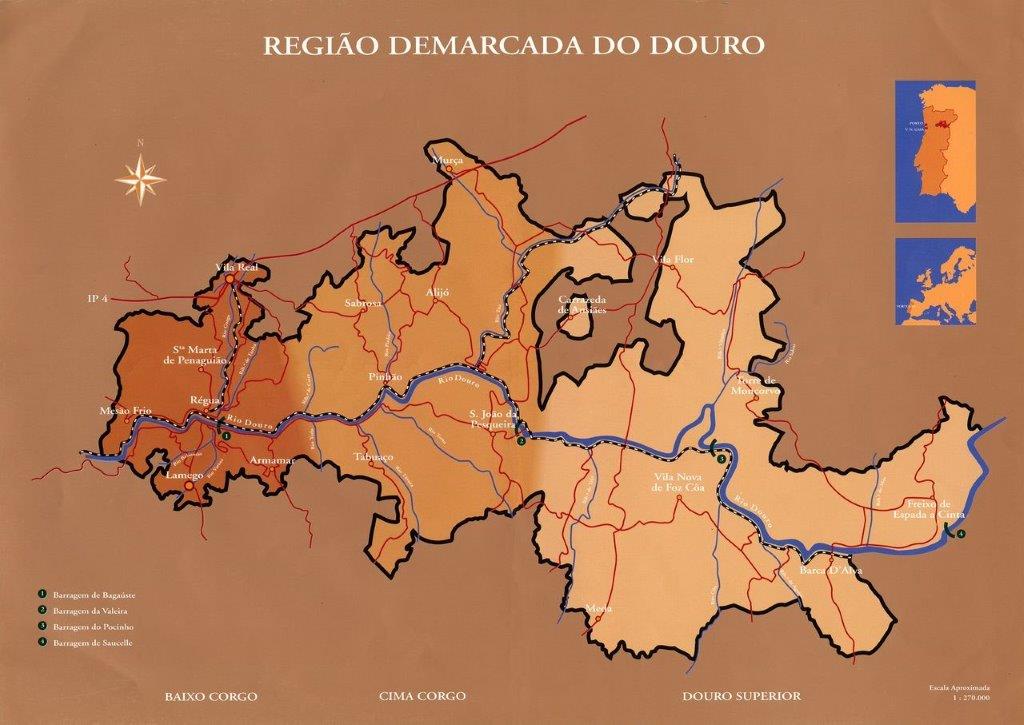
The climate varies significantly between the Douro’s three sub-regions: Baixo Corgo in the west is the coolest and wettest, Cima Corgo in the centre is warmer, drier and the best vineyards are located here, while Douro Superior to the east is the hottest and driest, experiencing pronounced continental extremes. This terroir’s extreme conditions and diverse microclimates, ranging from the cooler, wetter Baixo Corgo to the drier, hotter Douro Superior, are essential in promoting Port wine’s unique character.
Viticulture: Varieties and Landscape
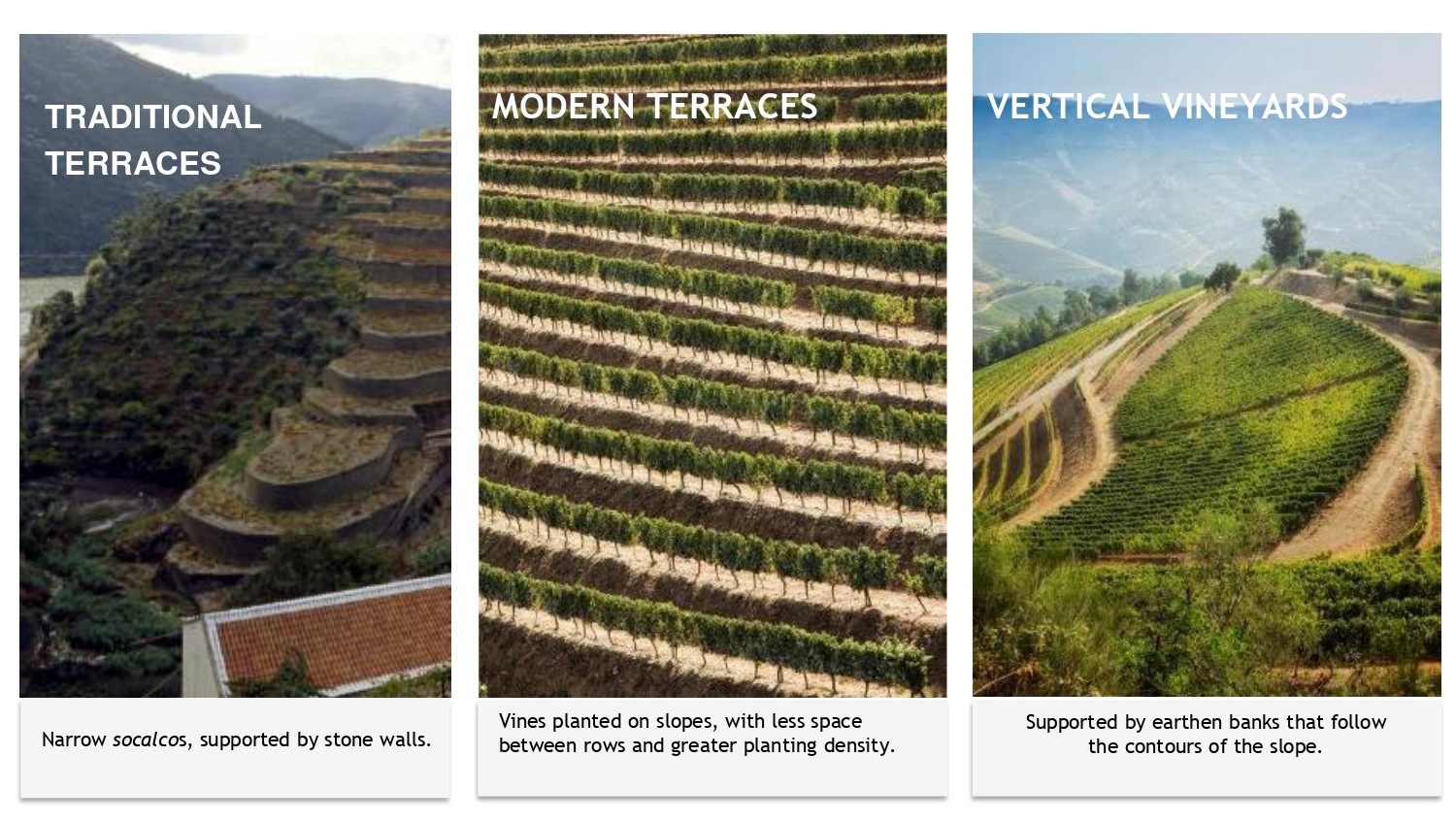
Port wine owes its richness to both landscape and grape variety. The Douro Valley’s vineyards are painstakingly arranged as socalcos (stone-walled terraces), patamares (earth embankments), and vinha ao alto (vertical plantings), each adapted to the terrain’s severe slopes. Currently 116 grape varieties are permitted in the Douro region for Port and Douro unfortified wines: 65 red, 50 white, and one rosé, with field blends still common in old vineyards. Field blends mean a mix of varieties within one plot, which are harvested and vinified together. However, five varieties dominate modern plantings: Touriga Nacional, Touriga Franca, Tinta Roriz, Tinta Barroca, and Tinto Cão. These grapes contribute different elements—structure, aroma, acidity, colour, and age-worthiness. White Port is crafted from grapes such as Malvasia Fina, Moscatel Galego, Rabigato, and Viosinho. The region’s schist soils and climatic extremes—very hot summers and icy winters—produce grapes with exceptional concentration, giving Port its unmistakable intensity and ageing potential.
Benefício: Vineyard Scoring and Trade
The production of Port is governed by one of the most sophisticated vineyard classification and trade control systems in the world. The benefício system was established to protect quality and stabilise the market. Every vineyard parcel is scored from A (the highest) to I (the lowest) using strict criteria—altitude, aspect, soil, variety, vine age, and agricultural practices. Only grapes from the higher-rated parcels are eligible for Port production, with the quantity strictly regulated each year. Vineyard owners receive a benefit card stating how much must may be turned into Port. These licences—and sometimes the grapes themselves—are traded, and market volumes are carefully balanced by the IVDP (Instituto dos Vinhos do Douro e Porto), ensuring grape prices are fair and quality remains consistent.
Vinification and extraction techniques
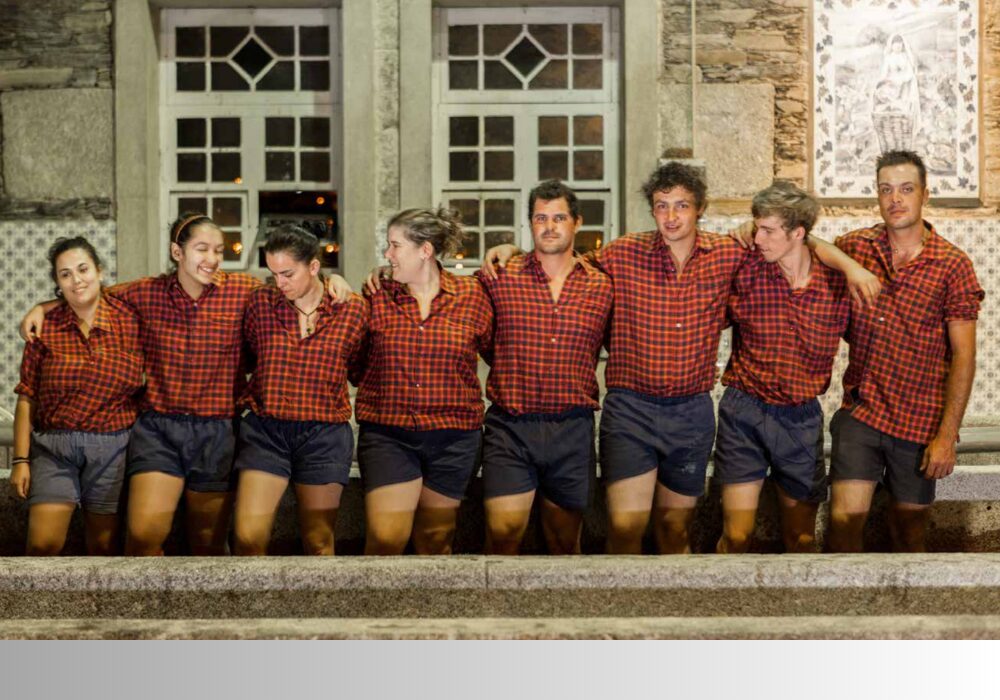
Vinification of Port wine is a process focused on rapid extraction of colour, tannin, and flavour from the grape skins, as fermentation is stopped early by fortification. Traditional foot treading in shallow granite lagares remains one of the most effective extraction methods, gently releasing compounds without crushing seeds, and producing Ports with great structure and complexity. Today, modern techniques are also widely used, such as robotic lagares that replicate foot treading, stainless steel piston plungers, and autovinifiers, each balancing extraction, efficiency, and cost. The intensity of extraction, as well as the temperature and timing of the fermentation, are carefully controlled to suit the desired Port style—more powerful Vintage Ports benefit from maximum extraction, while lighter, fruitier styles use gentler techniques and shorter maceration.
Ageing: Where and How
After fortification, Ports spend their first winter in the Douro Valley. Traditionally, they are aged in Vila Nova de Gaia lodges, where the cool Atlantic climate offers lower temperatures and higher humidity for gradual maturation and added complexity. Since 1986, ageing has been allowed in the Douro itself, where a hotter, drier climate speeds up ageing compared to Gaia. Climate change has made Porto much warmer, elevating Baixo Corgo’s status among winemakers for its fresher, wetter conditions and balanced wines in warmer years. Thus, both the ageing location and the vessel shape the final character of Port.
Ageing occurs in old wooden vessels—mostly neutral oak—whose size influences the final wine. Larger vats retain freshness, while smaller casks encourage oxidation and the evolution of complex tertiary aromas. Ageing for Port wine takes place in various wooden vessels, not only oak of different origin but also other woods such as chestnut, mahogany, and at times woods imported, each contributing different qualities to the wine.
Ageing Vessels: From Pipes to Modern Steel
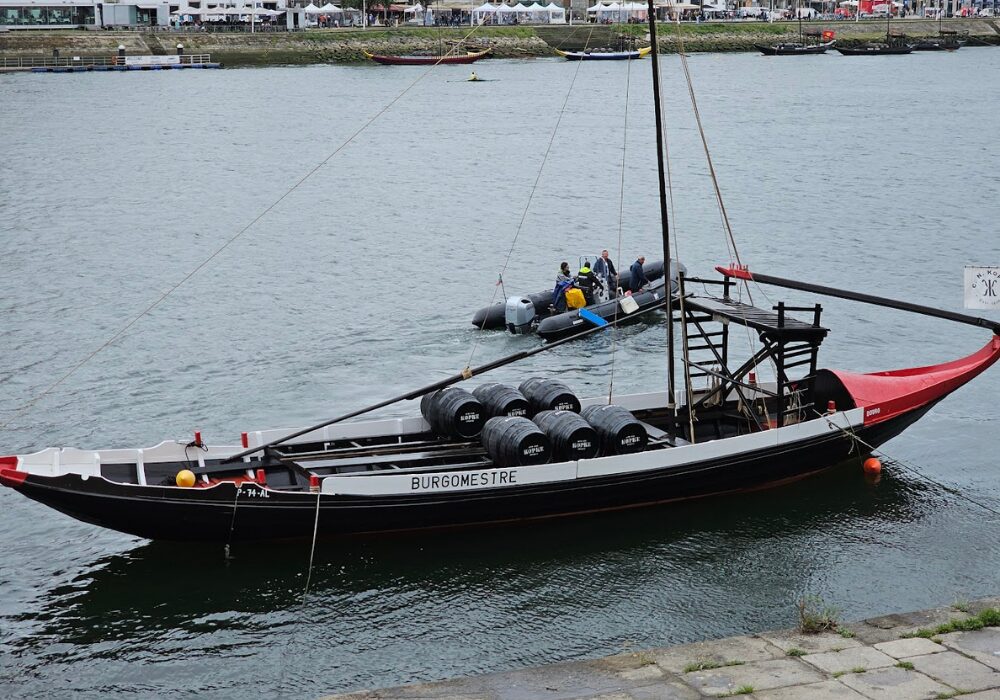
Pipes/Pipas. Today, the term “pipe” refers to 550 lt barrels. Although nowadays all Port is shipped in bottle, historically it was also transported in bulk, either in barrels or containers. These shipping barrels were called pipes and typically held 534 lt. Pipes allow for moderate oxygen ingress. Common in Gaia and the Douro, they are especially favoured for wood-aged Tawnies, Aged Whites, and Colheitas. Extended time in pipe produces deep tawny hues, complex aromas of nuts, spices, and a smooth texture.
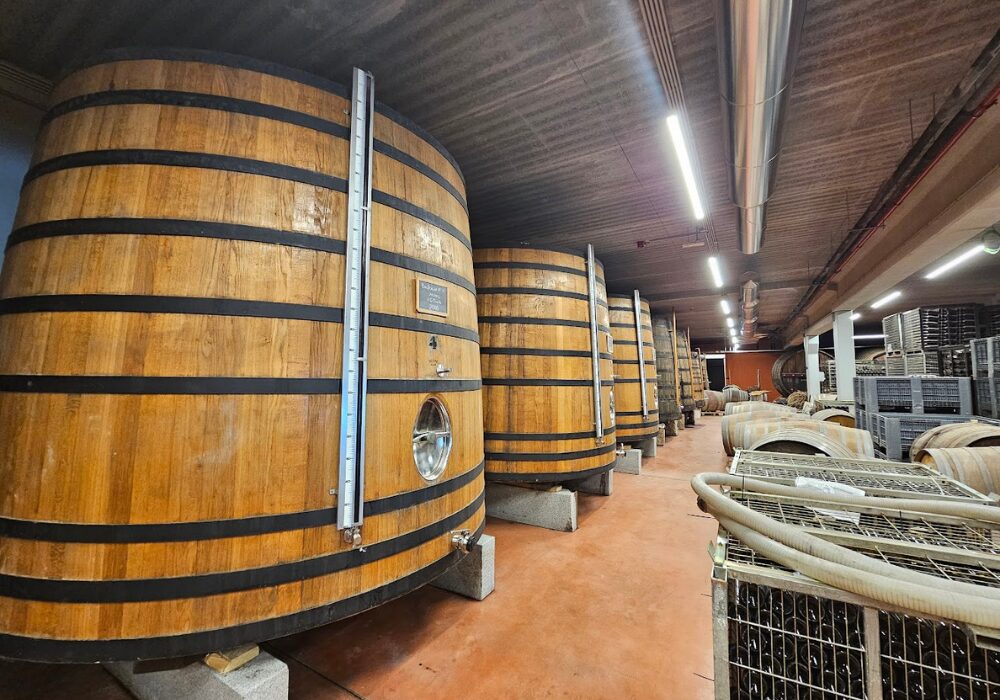
Balseiros. Very large oak vertical vats, ranging from several thousand to up to 100,000 litres. Used to store wines where minimal oxidation is desired, preserving freshness—a common choice for Ruby category.
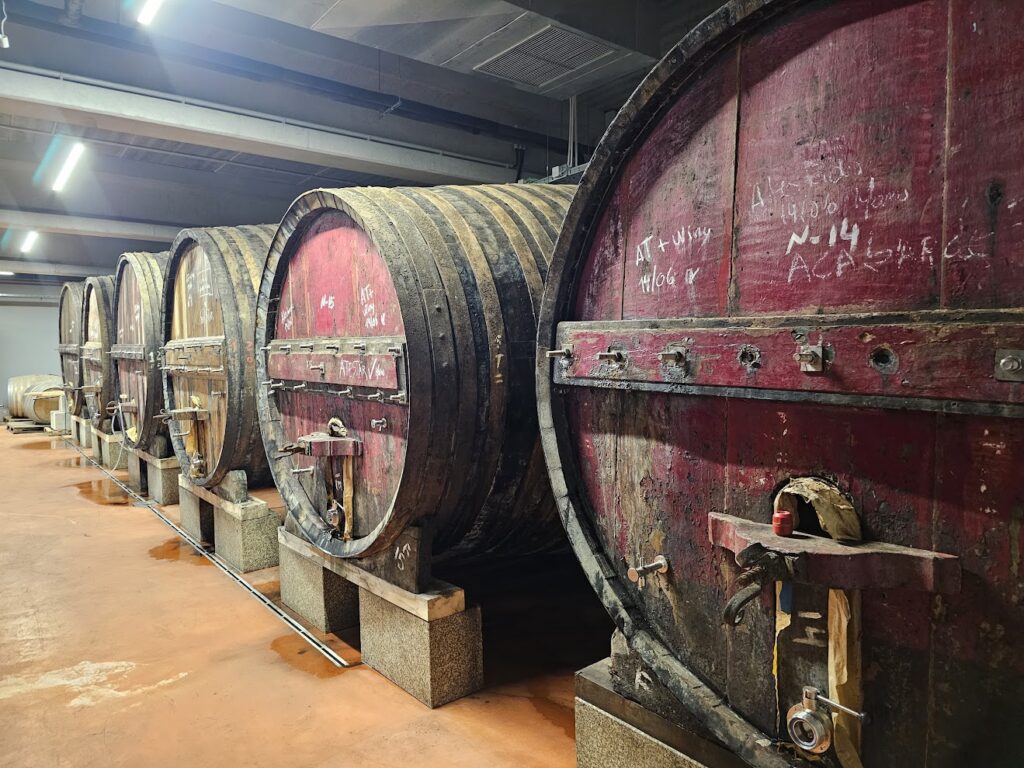
Toneis. Horizontal, large casks, offering more controlled oxidation than pipes but more air-wine contact than balseiros.
Stainless Steel and Concrete Tanks. Large tanks from inert materials minimise oxidative contact, supporting preservation of primary fruit and fresh, fruity, youthful characters. Widely used for basic styles such as Ruby, White, and Rose Ports.
Glass Demijohns. Special to rare Garrafeira Ports, these large glass vessels (often 10–11 lt) are used after a few years in wood, enabling ultra-slow, reductive ageing that yields subtle, ethereal aromas and distinctive texture.
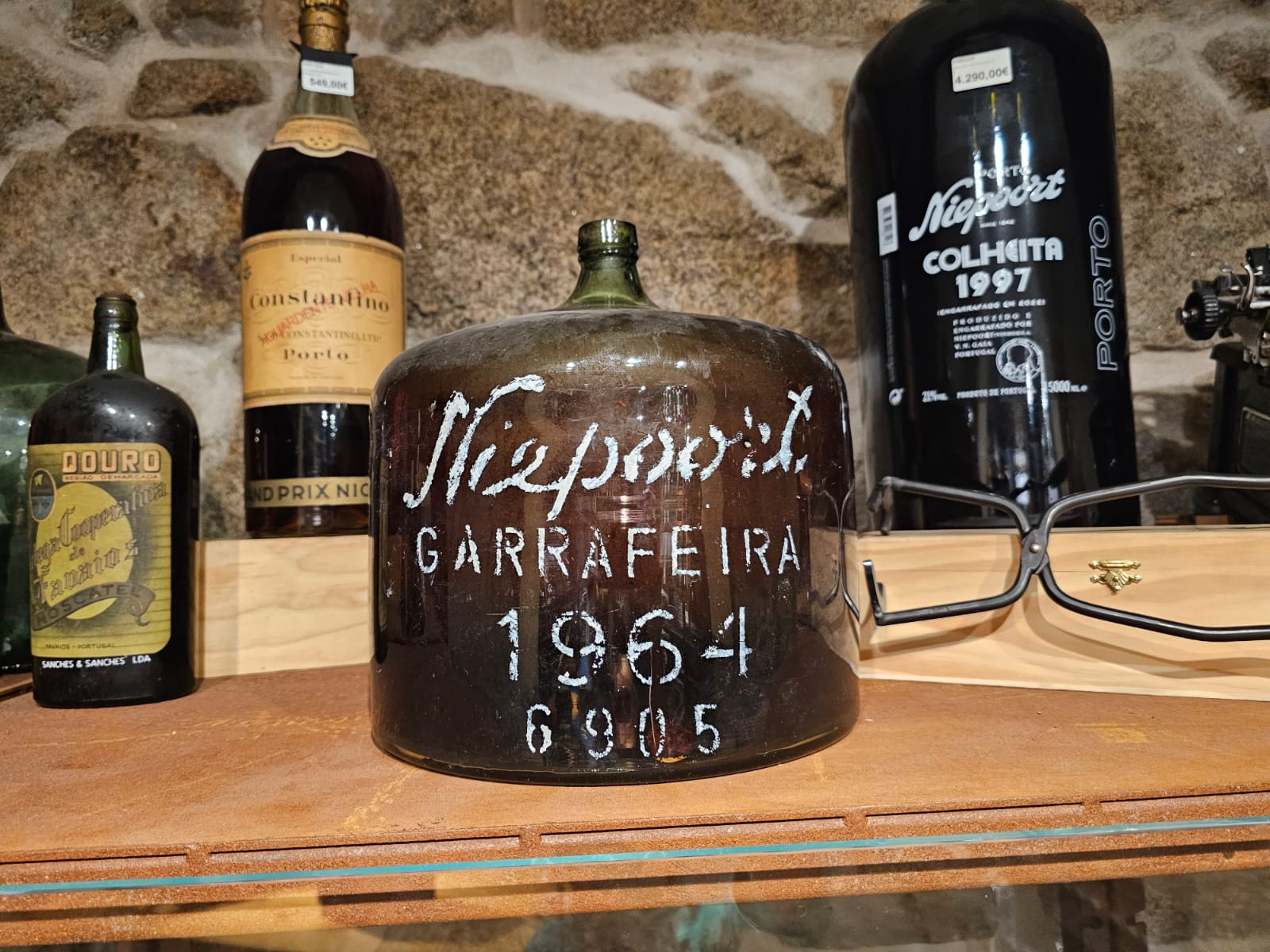
The vessel type, wood origin, and age have a direct impact on the final style and aromatic profile of each Port
Categories: Red (Tawny vs. Ruby), White, and Rosé
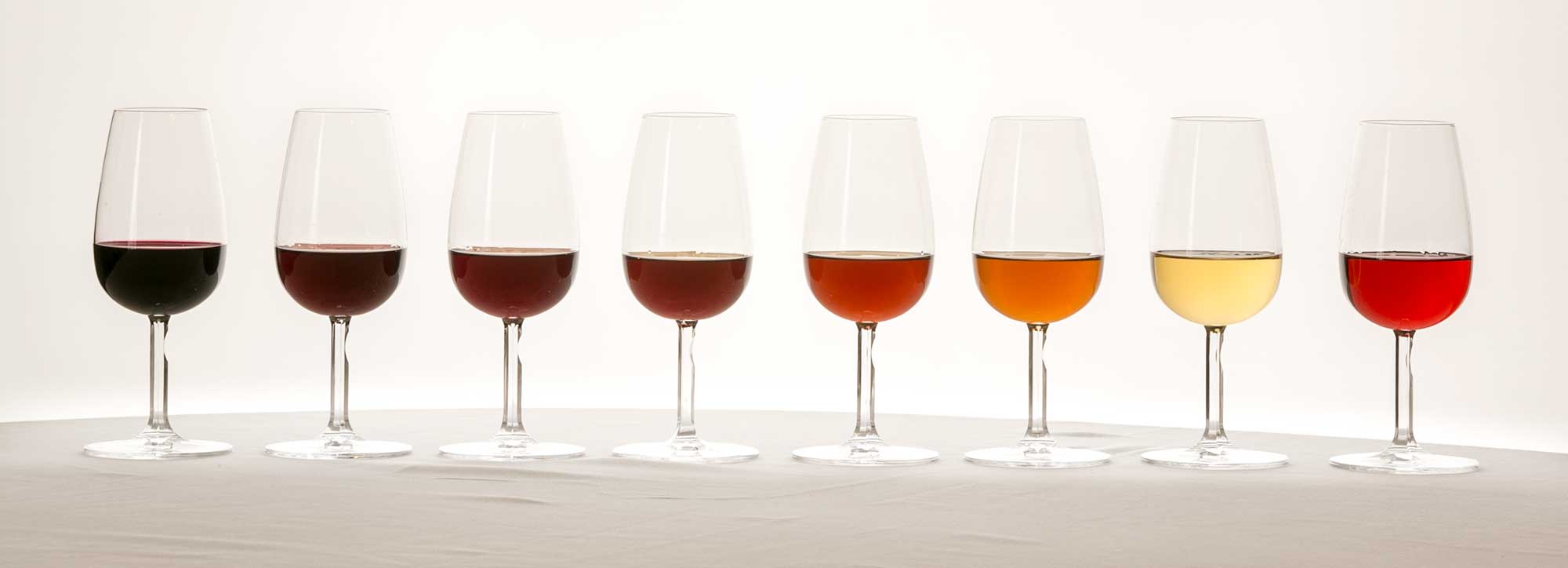
Port comes in a range of styles determined by the winemaking and ageing process:
Red Ports are divided into two categories—Ruby and Tawny—representing different styles.
Ruby Ports are fruit-forward reds that preserve primary fruit flavours. These include entry-level Ruby, Reserve Ruby, Late Bottled Vintage (LBV), and the age-worthy Vintage Port. Rubies are typically aged in large vessels to maintain their fresh, fruity character.
Tawny Port is an oxidative style. Wines areaged in smaller barrels, exposing them to oxygen and developing their characteristic amber-tawny hue, dried fruit, nut, and caramel notes. Tawnies include basic Tawny, Reserve Tawny, wines with an indication of age (10, 20, 30, 40, 50, and 80 years called VVO) and it’s always average age, as well as vintage-dated Colheita and Garrafeira (rare, wine aged 4-6 yrs in wood and then 15 yrs further in glass, e.g. demi-john).
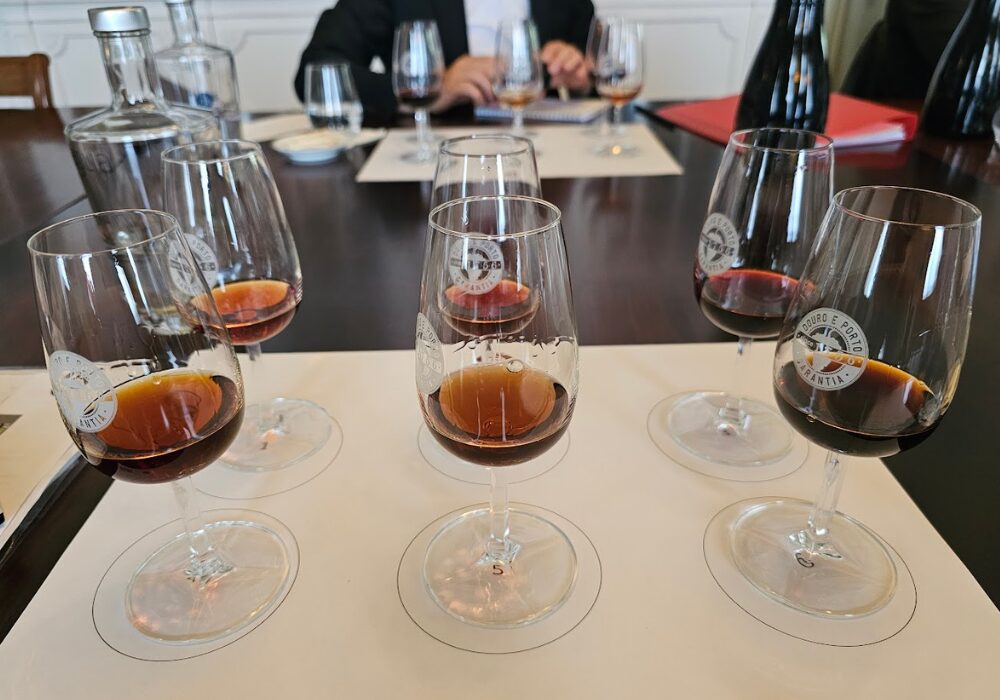
White Ports: Made from white varieties, available in a spectrum from Extra-Dry to Extra-Sweet Lágrima, and aged in stainless steel or wood. Aged White Ports mirror the Tawny category, meaning the age categories exactly the same of Tawny Ports.
Rosé Ports: The newest family, made with minimal skin contact for a pale colour and vibrant fruitiness. These are best enjoyed as an aperitif or in cocktails.
Each of these styles has well-defined quality standards. Excepr basic styles, all Ports other so-called “Special Categories” analysed and tasted by the IVDP before release. This system ensures remarkable consistency while allowing each house to express its unique style.
The Port Wine Scholar course is available through the TWA website, offering structured training and in-depth knowledge for those seeking to master the Port wine category.
Published by Irina Mihailenko DipWSET, MW Student and Certified Port Educator