Published by Irina Mihailenko, Certified Sherry Educator
Jerez Region and Location
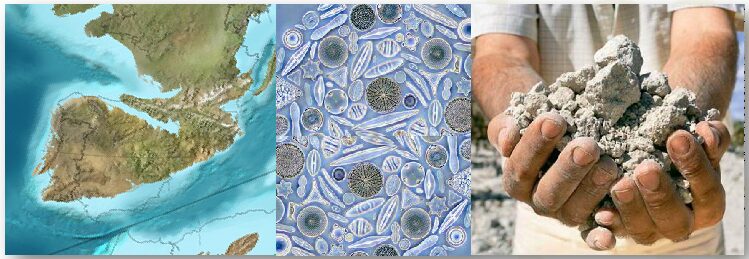
The origin of Sherry Wine Vinegar, known as Vinagre de Jerez, is the triad region known as the “Marco de Jerez,” located in southern Spain, in the province of Cádiz. This geographical “Sherry Triangle”, where all Sherry wines were traditionally aged, includes the towns of Jerez de la Frontera, Sanlúcar de Barrameda, and El Puerto de Santa María. The new law now permits ageing in all the Jerez region, excluding the DO Manzanilla Sanlúcar de Barrameda. This region is distinguished by its soil type—called “albarizas”—a white marl rich in clay, silica, and calcium carbonate, formed from ancient marine sediments. This soil has a notable water retention capacity, ideal for vine cultivation.
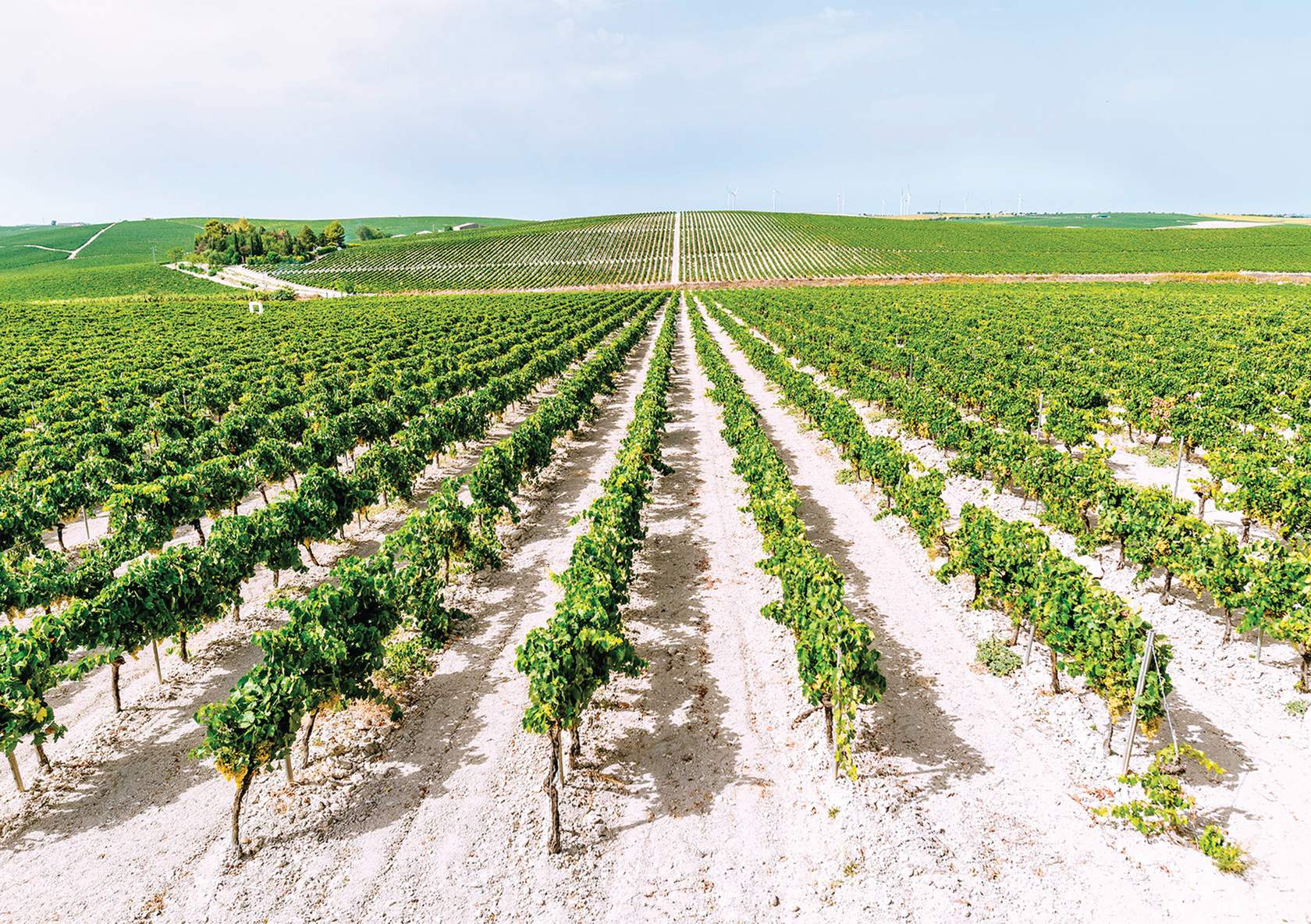
The climate of Jerez is Mediterranean, characterized by over 300 days of sunshine annually and a unique microclimate influenced by the humid winds from the Atlantic Ocean and the nearby Guadalquivir River. This combination of climate and soil creates optimal conditions for growing the grape varieties used in Sherry wine and subsequently Sherry vinegar production.
Grape Varieties
The production of Sherry Vinegar is tightly linked to the wines from Jerez, which are made from specific grape varieties. The three main varieties, all white, allowed for both Sherry wine and vinegar production in this region are:
- Palomino: The principal grape variety used for most Sherry wines, known for producing dry and medium-bodied styles.
- Pedro Ximénez: A grape variety often used for very sweet dessert wines, which also lends its unique characteristics to a special type of sweet Sherry Vinegar.
- Moscatel: Known for aromatic, sweet wines, which also influences a distinct semi-sweet vinegar style.
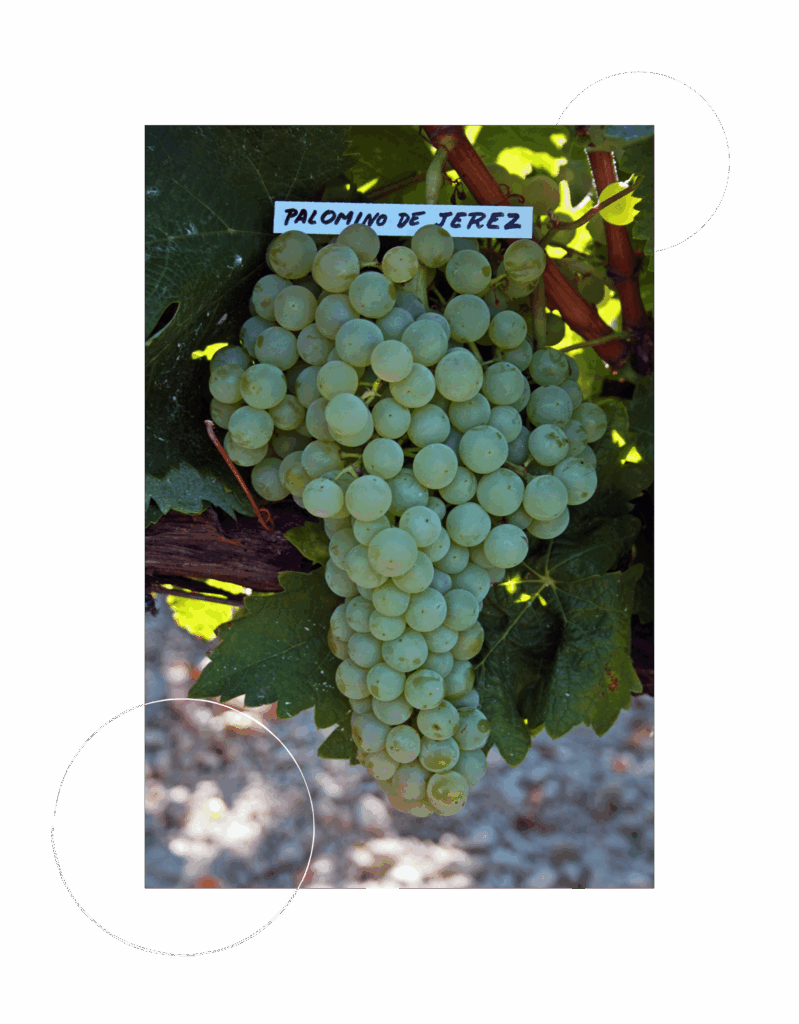
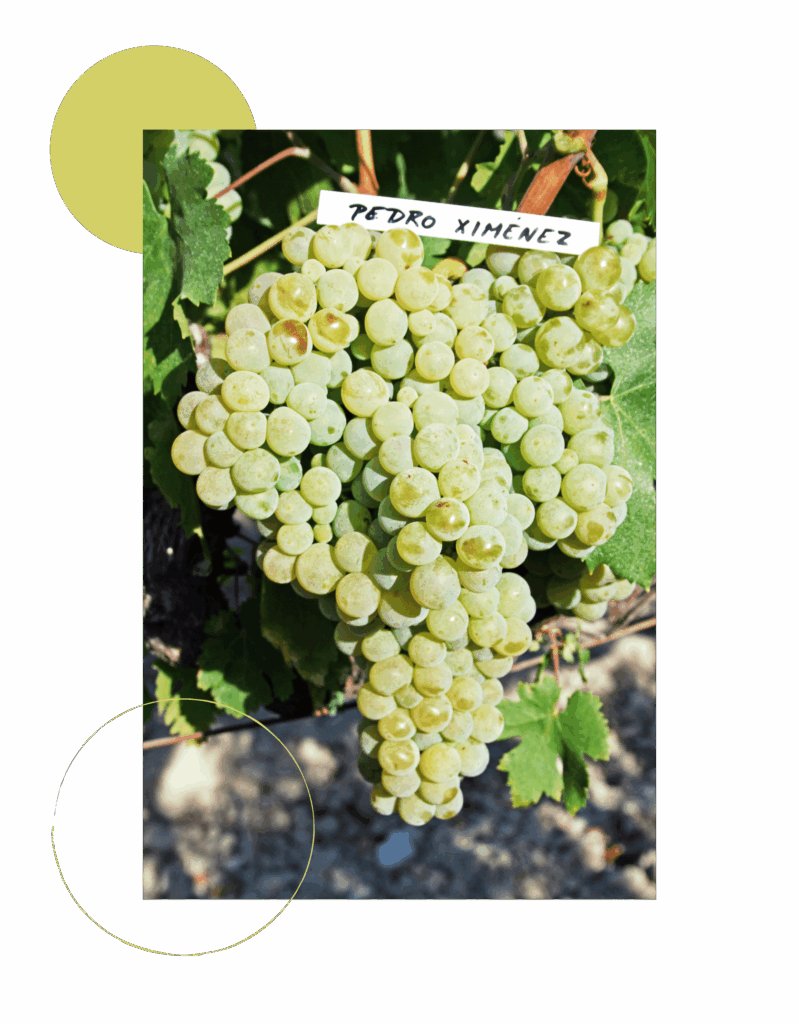
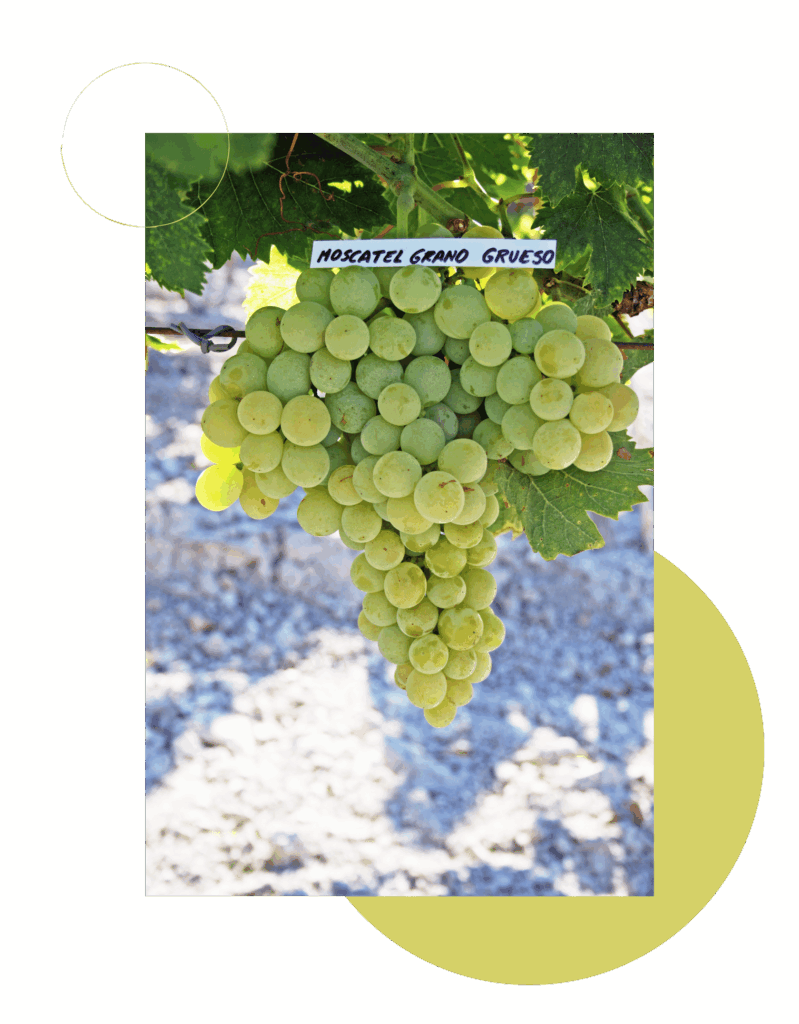
Only wines from these grape varieties grown on albariza soils in the Marco de Jerez can be used to make the protected Vinagre de Jerez.
Sherry Wine Vinegar: Definition and Production
Sherry Wine Vinegar or Vinagre de Jerez is a product resulting from the acetification (conversion of alcohol into acetic acid) of wines from the Marco de Jerez. It is made exclusively from these local wines, which can be either unfortified base wines or aged fortified Sherry wines including Manzanilla, Fino, Amontillado, Oloroso, Palo Cream, Pedro Ximénez, and others.
The conversion is carried out by acetic acid bacteria in the presence of oxygen:
Ethanol (C2H5OH) + O2→ Acetic Acid (CH3COOH) + H2O
There are two main fermentation methods traditionally used:
- Accelerated acetification: In stainless steel tanks micro-oxygenated under controlled pressure to foster rapid bacterial activity.
- Natural acetification: In wooden barrels called ‘botas’, where acetification happens slowly and naturally.
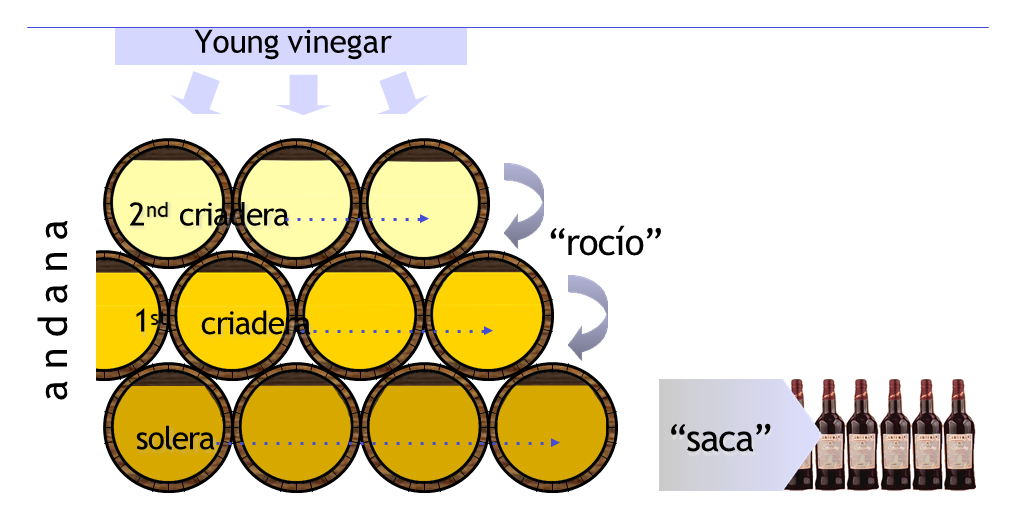
Modern production combines these methods, starting with rapid acetification in stainless steel tanks and finishing with prolonged aging in American oak barrels using the traditional Criaderas y Solera system.
Ageing and Criaderas y Solera System
The ageing of Sherry Wine Vinegar is a hallmark of its quality and complexity. Like Sherry wines, vinegar is matured in rows of barrels stacked on top of each other. The oldest vinegar is stored in the bottom row (solera), and when vinegar is drawn for bottling, it is replenished by younger vinegar from the barrels above (criaderas).
This continuous dynamic maturation system can last from six months to over 20 years, depending on the vinegar type, allowing for blending across vintages and gradual development of aromatics and balance. The prolonged maturation against the ‘albariza’ terroir and in American oak barrels imparts aromas of dried fruits, wood, and spices.
Legal Framework and Denomination of Origin
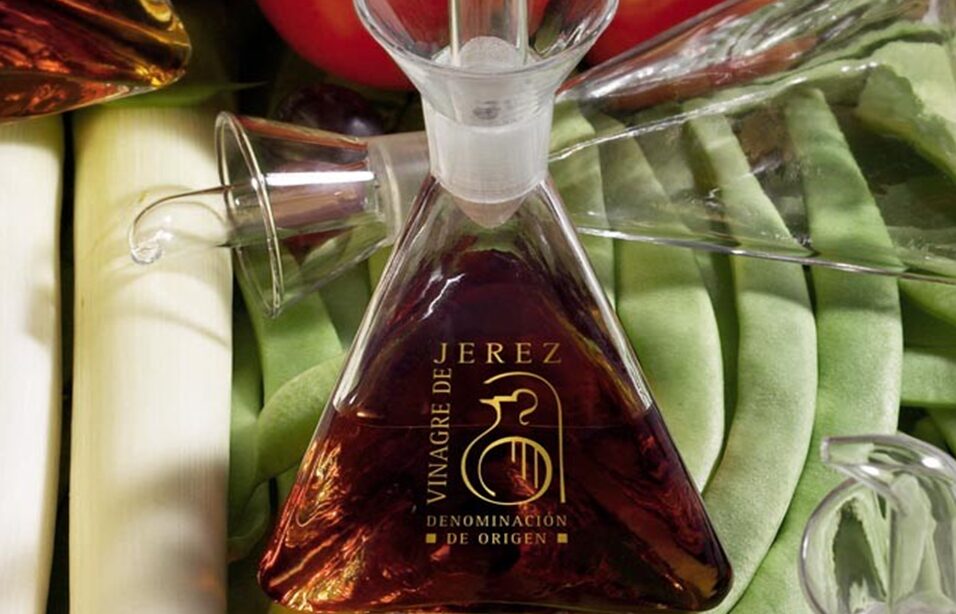
Vinagre de Jerez was the first vinegar in Spain to be granted a Denomination of Origin in 1994, marking a significant legal milestone to protect its production, origin, and quality. The regulatory body responsible is the Consejo Regulador de las Denominaciones de Origen Jerez-Xérès-Sherry, Manzanilla-Sanlúcar de Barrameda y Vinagre de Jerez, which supervises the classification, production standards, and certification processes.
Only vinegars produced within the Marco de Jerez from the specified grape varieties and following strict quality regulations can carry the Vinagre de Jerez DO label. The regulatory documents specify production methods, ageing, labelling, and commercial practices to maintain the traditional identity and authenticity.
The Consejo Regulador performs rigorous controls and certifications, engaging with producers through a detailed system of registrations, quotas, and audits. Their efforts include promotion, defense of the DO, and quality enhancements.
Types and Varieties of Sherry Wine Vinegar
Vinagre de Jerez is classified mainly by its ageing period and sweetness, with five recognised types:
- Vinagre de Jerez: Aged 6 months to 2 years. Amber color, intense but fresh flavors with hints of nuts.
- Vinagre de Jerez Reserva: Aged 2 to 10 years. Deeper mahogany colour with complex aromas of spices, nuts, and woody notes.
- Vinagre de Jerez Gran Reserva: Aged over 10 years. Rich, broad, and balanced flavour with pronounced notes of old wine, nuts, and spices.
- Vinagre de Jerez al Pedro Ximénez: Made with the addition of sweet Pedro Ximénez wine, yielding a dark mahogany, moderately sweet, smooth vinegar with raisin and licorice notes.
- Vinagre de Jerez al Moscatel: Semi-sweet, made with Moscatel wine addition, offering a vibrant amber to mahogany colour and velvety texture with fresh fruit notes.
Analytical characteristics of Sherry Vinegar
Minimal total acidity of 70 gr/L.
Residual alcohol content of less than 3% vol.
Cabone 14 level in line with its biological origin.
Minimal dry extract of 1,30 gr/L per degree of acetic acid.
Ashes content between 2 – 7 gr/L.
Culinary Uses and Consumption
Sherry Wine Vinegar’s versatility and aromatic concentration have made it an essential condiment worldwide. Even in small quantities, it elevates dishes with its unique complexity and flavor profile.
Culinary Applications
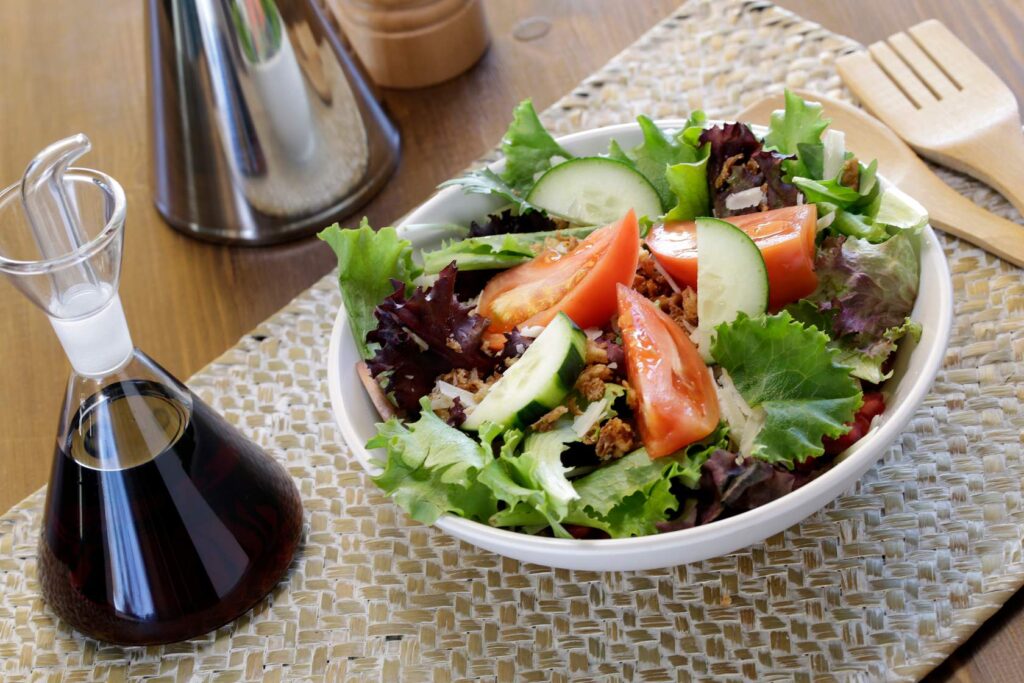
- Salads and Cold Soups: Enhances freshness in gazpacho, ajoblanco, and various salads without darkening the greens.
- Sauces and Emulsions: Key ingredient in classical sauces like Béarnaise, Tartare, and mayonnaise; also used in reductions to concentrate flavor.
- Meats and Stews: Adds complexity and juiciness to barbecues, grilled meats, stews, and escabeches (pickled dishes).
- Seafood: Fundamental in marinades and escabeches for oily fish like mackerel, softening fats and enhancing flavor.
- Vegetables and Pasta: Boosts simple roasted vegetables and pasta dishes with its aromatic depth.
- Desserts and Sweets: Surprising but effective in ice creams, fruit desserts, and caramel preparation, offering balance between acidity and sweetness.
- Beverages: Occasionally mixed with fruit juices or water for refreshing drinks in some cultures.
Health Benefits
Vinagre de Jerez carries antioxidant properties, supports bone health by aiding calcium retention, assists in blood pressure regulation thanks to acetic acid, has diuretic effects, helps glucose regulation, and promotes weight control by providing satiety without fats or salts.
Interested in Sherry wine?
The Sherry Wine Geek course at Tooscans Wine Academy offers advanced, up-to-date content led by an official Sherry Educator. It includes two live interactive sessions with tasting samples delivered to your door, one year of access to comprehensive materials, and is accessible on all digital devices. This course is perfect for both winelovers and professionals who want a deep and practical understanding of Sherry wines.
Advantages:
- Led by an official Sherry Educator – Irina Mihailenko DipWSET, MW Candidate
- Two live sessions with interactive tastings
- Advanced level course
- Current, comprehensive content
- Included tasting pack with diverse Sherry samples (Fino, Manzanilla, En Rama, Amontillado, Oloroso, Cream, Moscatel, Pedro Ximénez)
- Shipping is included within Europe
- One year of course material access including recorded lessons and extra content
- Certificate available upon completion
- Suitable for winelovers, sommeliers, wine students, and professionals alike
This course provides an immersive and certified learning experience with direct interaction and tasting opportunities to truly explore the world of Sherry wine.
Link: Sherry Wine Geek