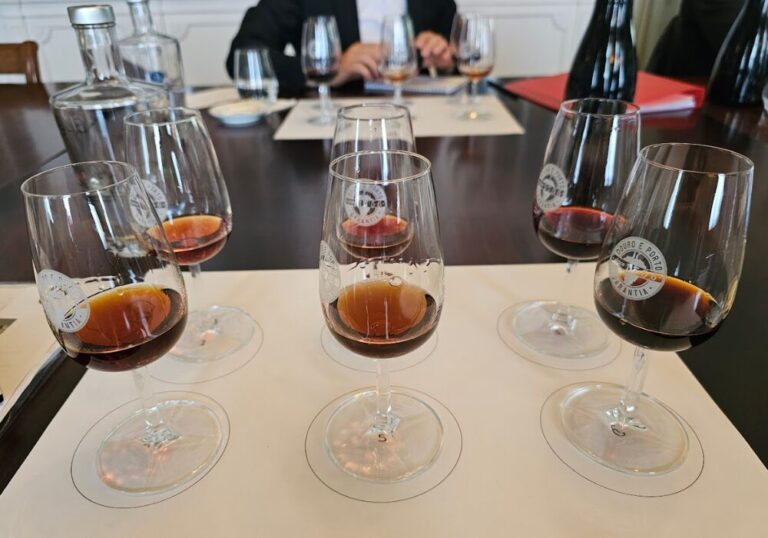
Blind tasting and subjectivity in perceptions have always been my favourite topics. That “always” refers to my twenty years of full-time work in the wine business, which includes continuous 360° training in wines, spirits, traditional and digital marketing. I began my wine studies in 2004 with the Italian sommelier associations, first AIS, then FISAR, AIS Judge (Degustatore), to continue with WSET Level 3 and WSET Diploma in Wines Level 4 in London School. The last experience proved my skills as a taster. Unlike our associations, where we evaluate wines knowing what is in the glass, WSET level 3 and 4 exams include blind tasting.
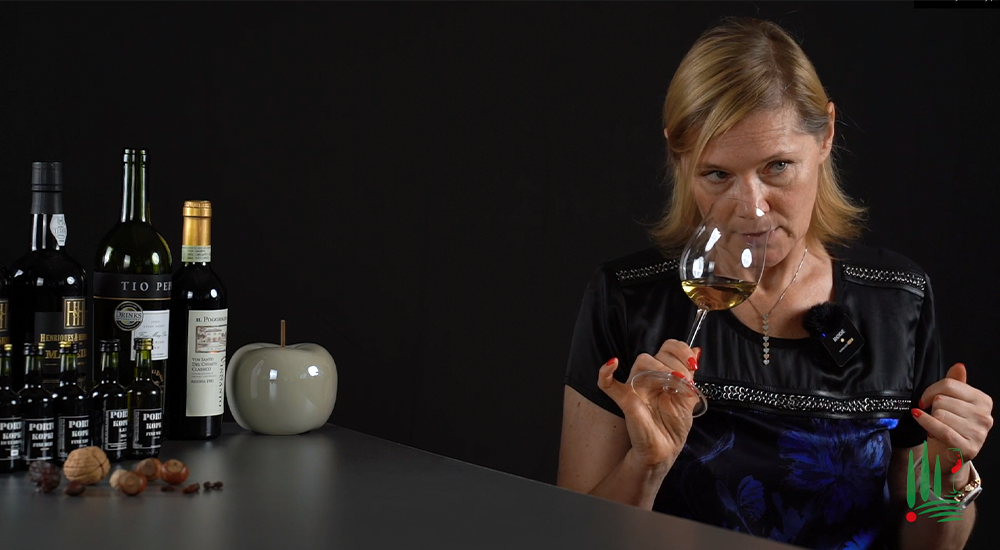
The WSET Level 3 exam requires a simplified technical description, including qualitative and ageing potential evaluation. WSET Diploma Level 4 comprehends several exams where the qualitative assessment is much more complex, requires structured conclusions on the quality and ageing potential, and includes additional questions on grape varieties, winemaking, etc. In our “Wines of the World” exam, for example, we had to identify 12 wines from all over the world with the following subdivision:
3 wines from the same grape variety
3 wines from the same country
3 wines from the same wine region
3 wines for the “mixed flight”
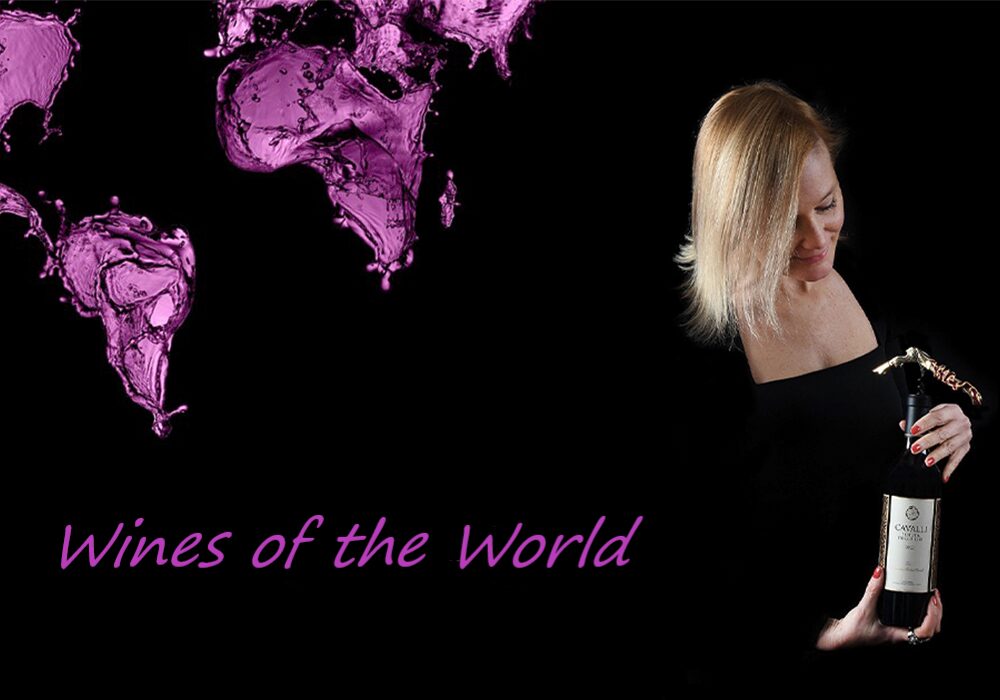
I was able to identify 11 out of 12 wines during the exam, achieving a Merit grade, the same as the other units, Sparkling and Fortified, that involve blind tasting. The marks are given based also on the ability to drive conclusions. In this article, I explain my journey from guessing to identification.
Many people even in the wine industry believe that identifying wines is just a matter of guesswork, similar to playing roulette. However, it actually requires training that includes both theoretical study and practical sessions to achieve a well-structured identification. Wine students often start with books such as “Beyond Flavour”. In my case, I chose not to read it before the exams so that I could develop my own approach, relying on my intuition, abilities, and extensive experience.

Blind tastings should always have a tipic, such as the same grape variety, region, country, or category (e.g., Traditional method sparkling wine, fortified wines, PIWI, etc.). Making sense is essential. It is equally important to choose wines without faults. Our perception of faults is also subjective, but sometimes, they help me recognise a wine’s origin or production methods.
Suppose I have two highly concentrated and high in alcohol levels Syrah in my glass, with similar structure, organoleptic and qualitative profiles. The choice falls mainly on Barossa and Rhone (e.g. Cornas). In this case, the light touch of Brett, to which I am extremely susceptible, helps me identify its origin, as I often find it in many Rhône wines but never in those from Barossa. Again, this is because I am very susceptible to Brett, present to some degree in many Old World wines aged in wood. The Brett touch gives some complexity at low levels, but personal sensitivity influences this evaluation parameters.
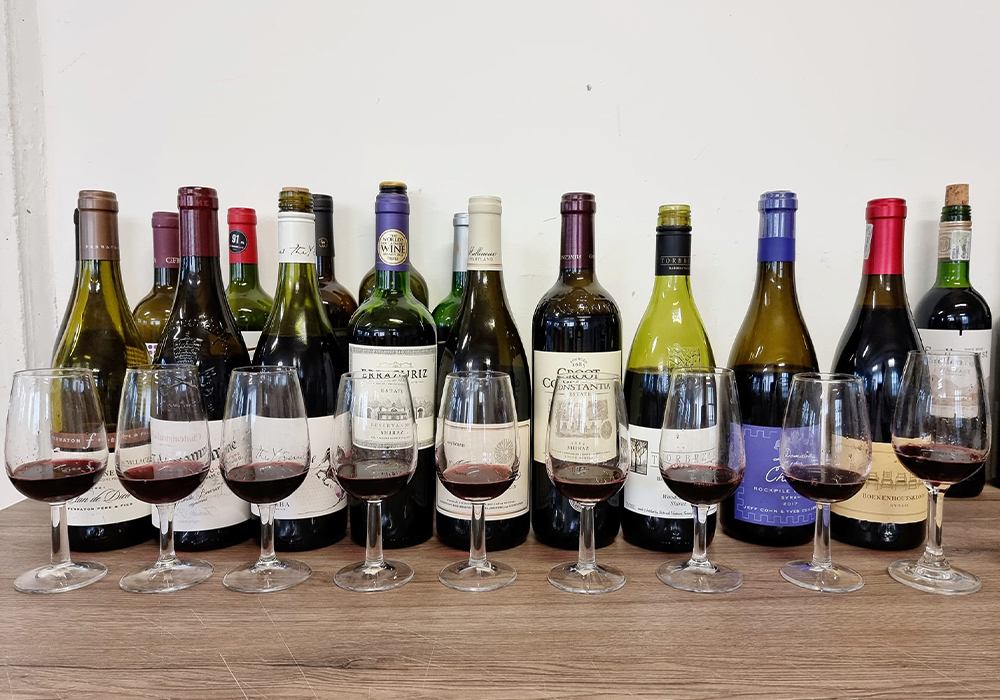
Photo: Syrah
Furthermore, in terms of the aromatic profile of Syrah, the presence of Rotundone, which gives the peppery note, generally excludes warmer climates or sites. The cooler vine-growing areas help to retain these molecules during grape maturation. Some people, including professionals, do not perceive Rotundone at all.
With climate change and a better understanding of how different winemaking practices can affect the final product, it’s becoming increasingly challenging to identify wines based solely on the aromas. However, by combining our perseption of aromas with an understanding of the wine’s structure, we can improve the identification during blind tasting. It’s essential to know the grape varieties characteristics, the climate patterns of various wine regions, the traditional winemaking techniques, and the distinctive characteristics of some styles. Additionally, understanding how different grapes complement each other in a blend is also important for identifying what is in the glass.
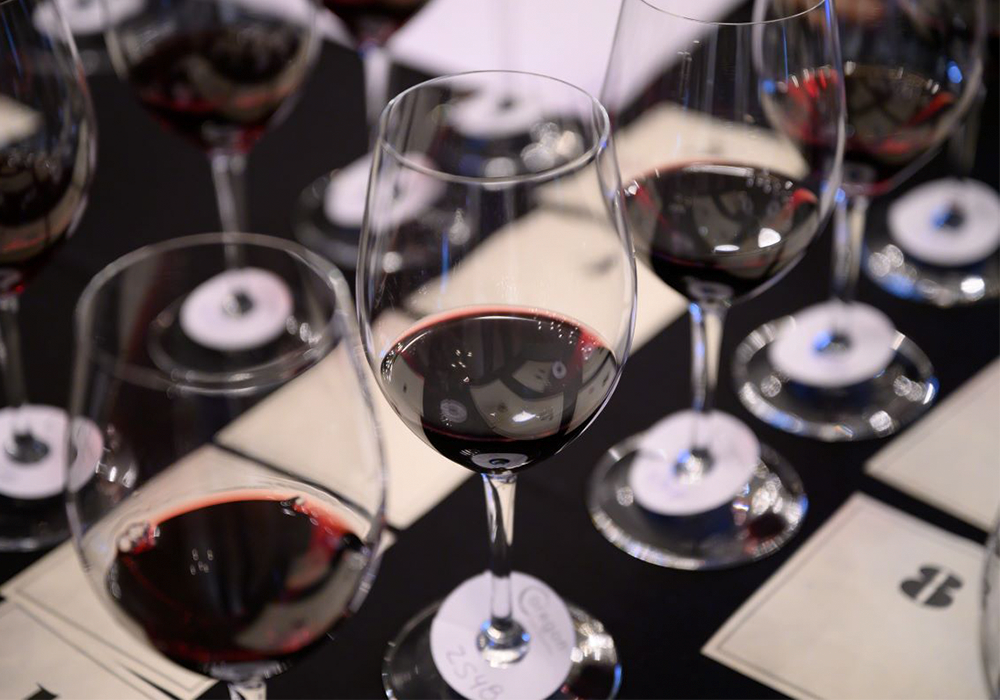
Learning to taste by structure is essential. In addition to considering factors like climate change, vine-growing, and winemaking techniques that help achieve desired flavours and structure, it is necessary to recognise that every person perceives aromas and flavours differently. Each of us has its own unique threshold of perception, a crucial aspect that every wine professional should be aware of. Understanding these personal limits is a key part of our professional development in wine tasting.
For this purpose, I’ve invested in a customised pack with 27 different fault samples to train and comprehend my levels of perception of certain molecules/substances. This practice, which involves diluting substances in neutral light white and red wine, measuring gradually perception levels, and mixing more than one substance, is instrumental in developing a more technical evaluation and a professional approach to tasting. The tasting group, in particular, provides valuable insights into subjective differences. Certain substances, for sure, don’t necessarily indicate faults and can even characterise certain styles, for example, acetaldehyde in Sherry Fino.
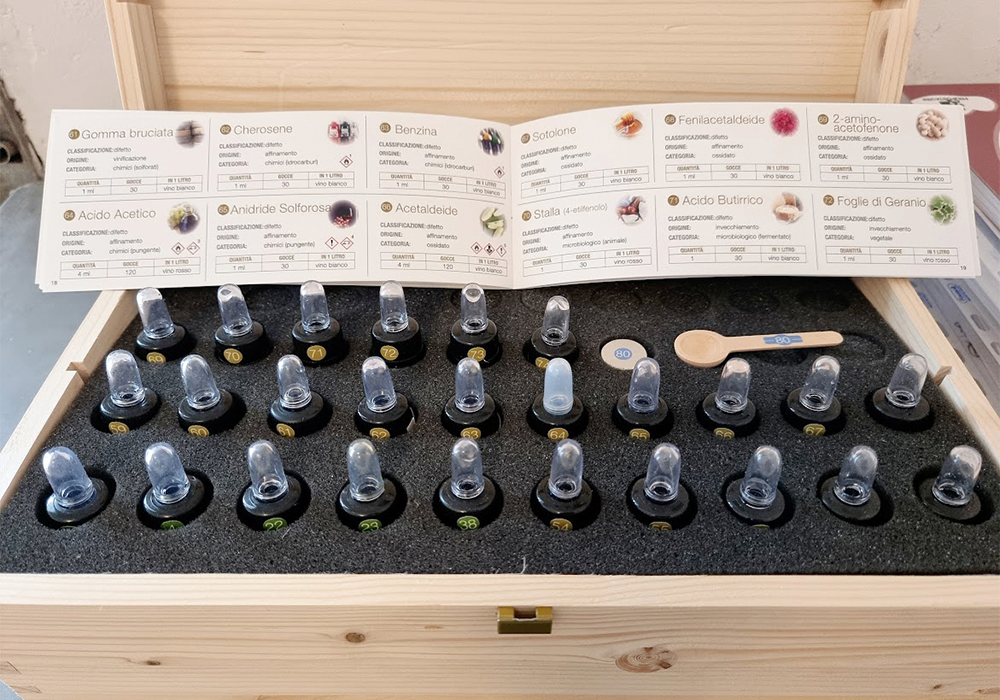
Photo: Wine faults kit
How I approached my training
First, I listed the main grape varieties and purchased wines from the most important regions. My exam was in London, so I identified the suppliers and styles based on the WSET London School preferences. I bought young vintages as they more clearly express their main grape characteristics. Firstly, I tasted by grape variety, and after first tasting, I started to taste blind. A used small bottles to poor wines and I numbered glasses under the stem, mixing them before tasting. Of course, I used the Coravin. I highlighted the differences, similarities and distinctive characteristics. Then I tasted all similar wines (varieties and styles), trying to memorise all subtle differences.
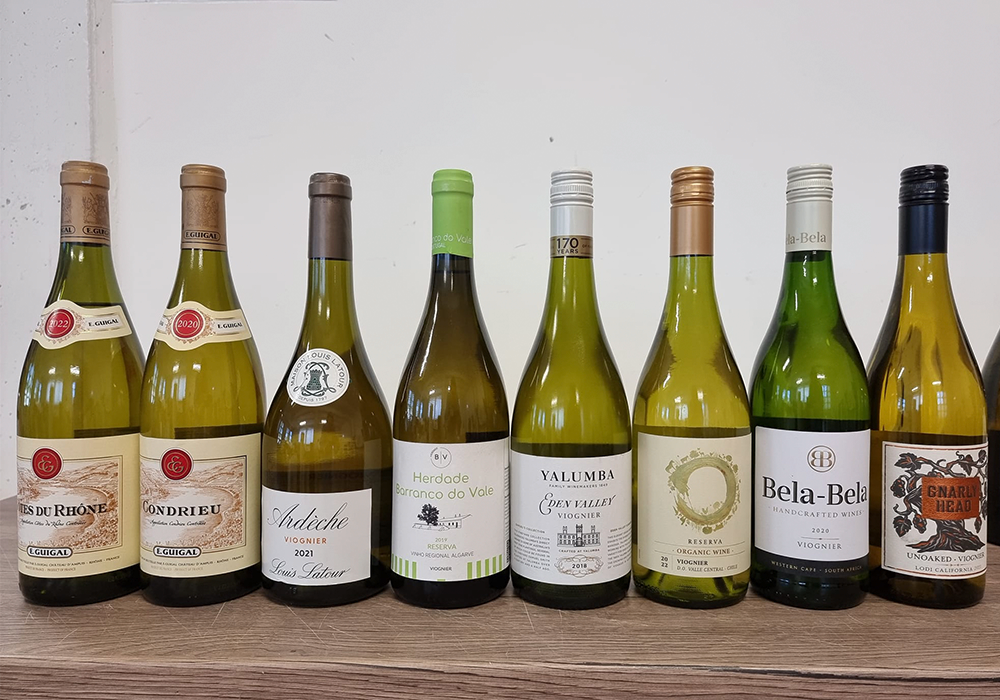
Photo: Viognier
I made sure to buy the most iconic wines from each country and carefully noted their unique characteristics. I focused on understanding the similarities between different types of wine and practiced tasting them repeatedly to fully grasp the differences. It was definitely not an easy task. It required both a substantial investment and a disciplined approach. One challenge I faced using Coravin that some varieties resist less than others even after short period, for exaple Pinot Noir. I was also difficult to taste during our Italian summers with over 40°C.
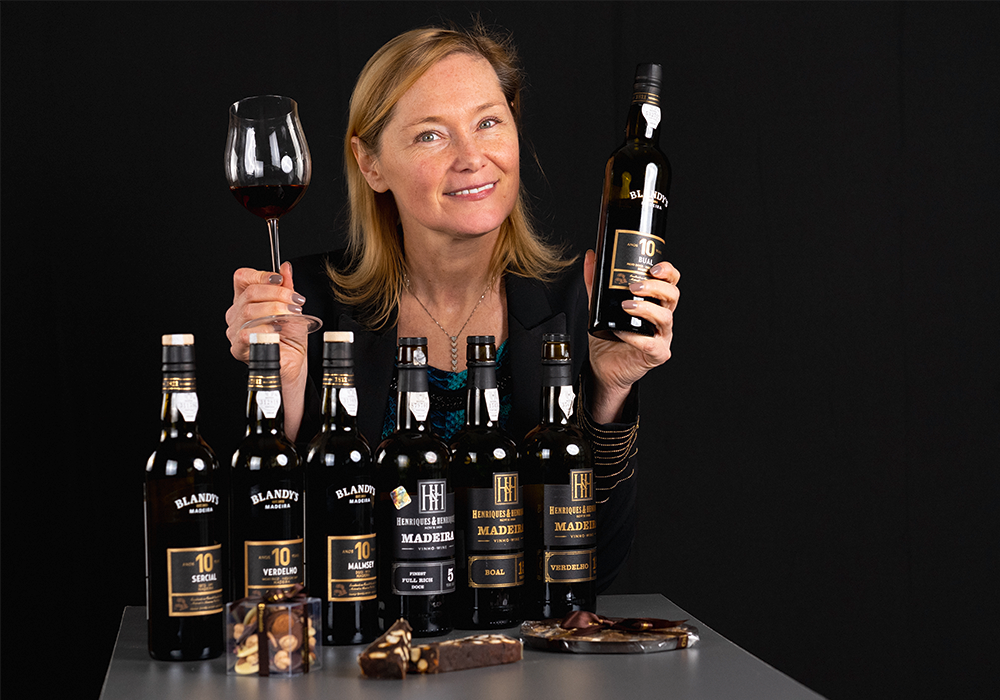
Photo: Chardonnay
If you’re interested in preparing for a blind tasting journey, you can request individual tutoring by reaching out to me at info@sparklinglife.it (the automatic booking module will soon be available). I’ll teach you how to identify wines not only by their aroma but also by their structure, and I’ll combine this with knowledge of specific terroirs. I am highly specialised in Italian and fortified wines. Follow me on social media to stay updated on the topic-related online and offline courses.
Published by Irina Mihailenko
Originally from Latvia and based in Italy for more than 30 years, for about twenty, I worked as a food and wine consultant. For four years, I directed the Tola Rasa fine dining restaurant in Padua. I am a professional sommelier of the two most important Italian associations, AIS and FISAR, DipWSET (WSET Level 4 Diploma in Wines, London School), Valpolicella Wine Specialist, Wine Judge, Official Port and Cava Educator, Langhe Wines Ambassador, SSA Certified Sake Sommelier and Rice Sommelier.
I am a founder and project manager at Tooscans, e-commerce dedicated mainly to Tuscan products, with offline distribution. I created the Sparkling Life website, which is published in three languages and focuses on Italian food and wine excellence. I have a Master’s Degree in Digital marketing, so I deal with consulting and communication, digital mktg & branding strategy, SEO, Google Ads, social media marketing & Adv and wine education.
Find out more: Irina Mihailenko